Last updated: August 21, 2026
If you want a nest box that actually gets used, start with wrens. House Wrens are not fussy about the view, they are not fussy about a manicured yard, and they will investigate almost any small cavity within days of it going up. People who have waited three seasons for bluebirds to look at a box are often surprised at how fast a wren box fills.
The catch is that the qualities making wrens easy are the same qualities that make them chaotic neighbors. A male wren stuffs sticks into every cavity in his territory, sometimes several at once, and only one of them becomes a nest. This guide covers what to buy, where to put it, and what to expect once the sticks start arriving.
This article contains affiliate links. If you buy through them, we may earn a commission at no extra cost to you. Learn more.
Quick Answer
What makes a good wren house?
- The right hole. NestWatch gives House Wrens an entrance of 1 1/8 inches, which is small enough to shut out House Sparrows and starlings.
- Untreated wood with real thickness, ventilation near the top and drainage in the floor.
- A side or front panel that opens, because a box full of sticks needs clearing out.
- No perch under the hole, and preferably a hole guard plate so nothing chews it wider.
Bottom line: small hole, plain wood, opens for cleaning, hung near cover rather than out in the open.
Why the Hole Size Does the Work
NestWatch, the Cornell Lab of Ornithology’s nest monitoring project, gives House Wrens an entrance hole of one and one eighth inches. That figure matters twice over: it fits the bird, and NestWatch guidance is that a hole smaller than one and a quarter inches excludes House Sparrows, with essentially only wrens and chickadees able to use an opening that small.
That is a rare thing in nest boxes. Most species need a hole big enough that competitors can also fit, and the defense has to come from placement and monitoring. A wren box defends itself, which is a large part of why it is the easiest box in the yard to get right.
Do Not Round Up
A hole drilled a quarter inch oversize because that was the bit in the drawer undoes the whole advantage. If a box you like has a larger opening, a hole guard plate with the correct size screwed over the front is a straightforward correction, and it reinforces the entrance against chewing at the same time.
Wren Houses by Situation
Best Straightforward Box for a Yard With Shrubs
A plain untreated wood box with the published entrance size, ventilation slots near the roof, drainage holes in the floor and a panel that opens is all the bird needs. Cedar and pine both work. Skip the paint on the inside and skip anything treated, which has no place around a nest.

Best If Squirrels Chew Everything in Your Yard
A box with a metal hole guard plate over the entrance holds its size. Squirrels and woodpeckers both enlarge wooden entrance holes, and once a hole is oversize the box is open to sparrows and starlings for good.

Best If You Want to Watch the Nest
Some boxes ship with a viewing panel or are built to take a small camera. Keep any checking brief and infrequent, follow the guidance on the NestWatch site about monitoring, and remember that a box on a pole is far easier to reach than one high in a tree.

Best for Mounting It Properly
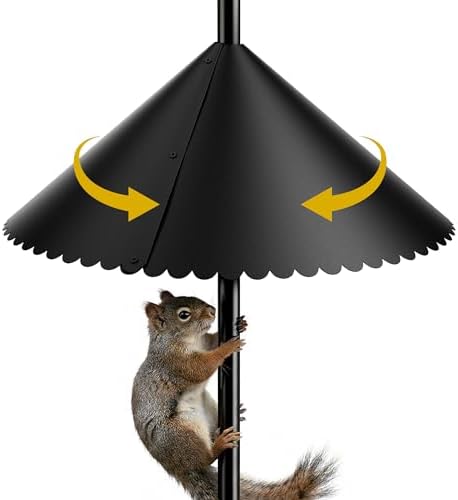
NestWatch recommends free standing metal or PVC poles over trees and fence posts, because smooth poles are hard for predators to climb and take a baffle. If you do not already have a pole and a baffle, that hardware matters more to the outcome than which box you buy.
What to Look For in the Build
Four features separate a functional box from a decorative one, and none of them are visible in a product photo taken from the front. Ventilation, drainage, an opening panel and untreated wood thick enough to insulate are the list.
| Feature | Why it matters | What to avoid | Easy to add later? |
|---|---|---|---|
| Entrance at 1 1/8 in | Fits wrens, excludes sparrows | Oversized decorative holes | Yes, with a guard plate |
| Opening panel | Lets you clear sticks and old nests | Glued or nailed shut boxes | No |
| Ventilation and drainage | Heat and damp both kill broods | Sealed boxes with no gaps | Yes, drill it yourself |
| Untreated thick wood | Insulates and lasts outdoors | Thin ply, treated lumber, inside paint | No |
Where Wrens Want It
Wrens like cover. Unlike bluebirds, which want open ground with a view, House Wrens are birds of shrubby edges, hedges, tangled corners and the sort of yard that has a brush pile in it. A box within a few feet of shrubs or at the edge of a border is far more likely to be used than one in the middle of a lawn.
Height is less critical than for open country species, and House Wren boxes are commonly set around five feet with the entrance facing east, away from afternoon sun and north winds. Our guide on where to hang a birdhouse covers the mounting and baffle detail, which applies to wrens exactly as it does to any small box.
Expect Dummy Nests
A male House Wren fills multiple cavities with sticks and the female picks one. That means a box packed with twigs is not necessarily occupied, and a second box in the same yard may be a decoy rather than a rival household. It is normal behavior, not a fault in your box.
Cleaning It Out
Wren nests are bulky stick structures and they fill a small box completely. Clearing the box between seasons is straightforward and it is the reason the opening panel matters so much. Wear gloves, tip the contents out well away from the box, and let the box dry before closing it up.
On timing and frequency, follow what NestWatch publishes for nest box maintenance rather than a rule of thumb. The same goes for how often to look inside during the season: brief, occasional checks following their monitoring guidance, not a daily inspection.
Frequently Asked Questions
What size hole does a wren house need? NestWatch gives House Wrens one and one eighth inches. That size also excludes House Sparrows, since NestWatch guidance is that holes under one and a quarter inches keep sparrows out and fit essentially only wrens and chickadees.
Why is my wren box full of sticks but empty of birds? Male House Wrens build dummy nests in several cavities and the female chooses one. A stick filled box that never gets used is normal and is not a sign that something is wrong with the box or the site.
Should a wren house have a perch? No. Cavity nesters do not need one to get in, and a perch gives competitors and predators a foothold. Boxes sold with a decorative dowel under the hole are worse, not better.
How high should I hang it? Around five feet is the height commonly given for House Wren boxes, with the entrance facing east away from afternoon sun and north winds. See where to hang a birdhouse for the mounting and baffle detail.
Can I hang a wren house from a branch? Wrens will use hanging boxes, but a swinging box on a branch is easier for predators to reach and cannot take a baffle. NestWatch recommends free standing poles for small nest boxes for exactly that reason.
Will wrens compete with my bluebirds? They can, which is why the two boxes belong in different parts of a yard: bluebirds in the open, wrens near cover. Our bluebird house guide covers the open country side of that.
The Bottom Line
A wren house is the easiest nest box to get occupied because the entrance size shuts out the competition and the birds are not particular about the setting. Buy plain untreated wood with the published hole size, make sure it opens, mount it on a pole with a baffle near shrubby cover, and be patient with the pile of sticks. For the numbers on other species, see our hole size table, and for placement, where to hang a birdhouse.