BirdFeederWise
Feed the birds. Skip the guesswork.
Honest, practical buying advice for backyard bird feeding. We explain what each feeder is built to do, what to check before you buy, and where Cornell Lab, Audubon or your state wildlife agency has the last word instead of a website.
Where backyard feeders usually start
A handful of areas cover most of what people ask in a first or second season. Pick the one that matches the feeder outside your window.
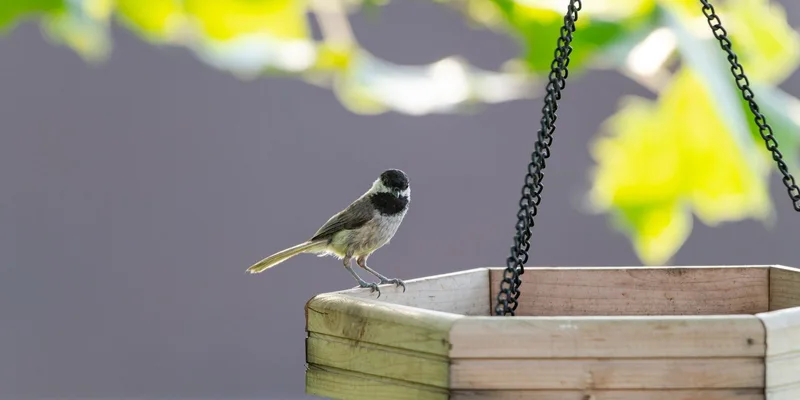 Camera FeedersFeeders with a camera, judged on image quality, subscription terms and what the app really recognizes in your yard.Browse camera feeders ›
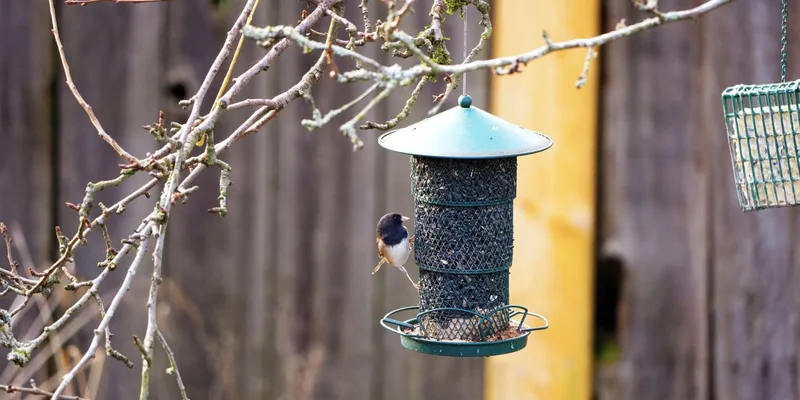 Feeder BrandsBirdfy, Bird Buddy, FeatherSnap and the rest, reviewed on hardware, app and where the brand actually sells.Browse feeder brands ›
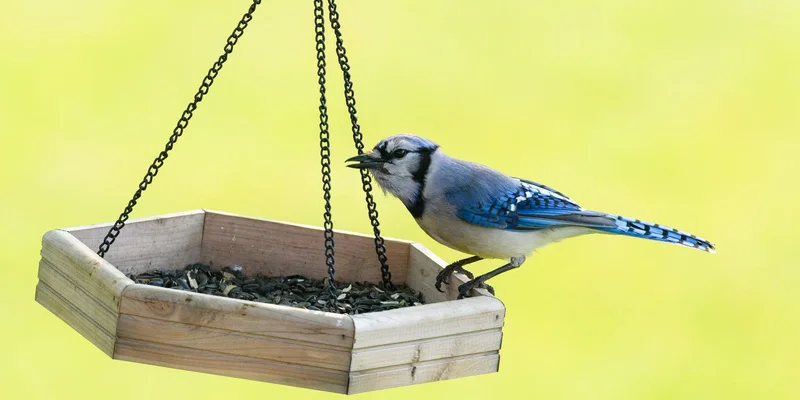 Feeders by SpeciesWhich feeder brings which bird. Cardinals, orioles, blue jays, finches, woodpeckers and nuthatches, one guide each.Browse feeders by species ›
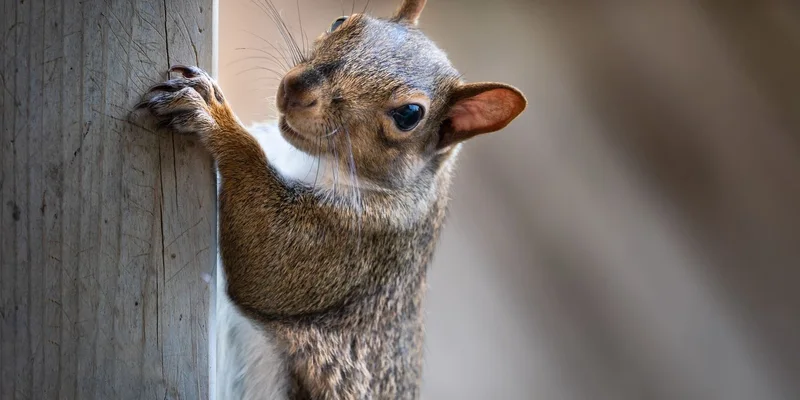 Squirrel and Pest DefenseBaffles, poles, cages and weight activated feeders, plus what actually stops squirrels, rats and raccoons.Browse squirrel and pest defense ›
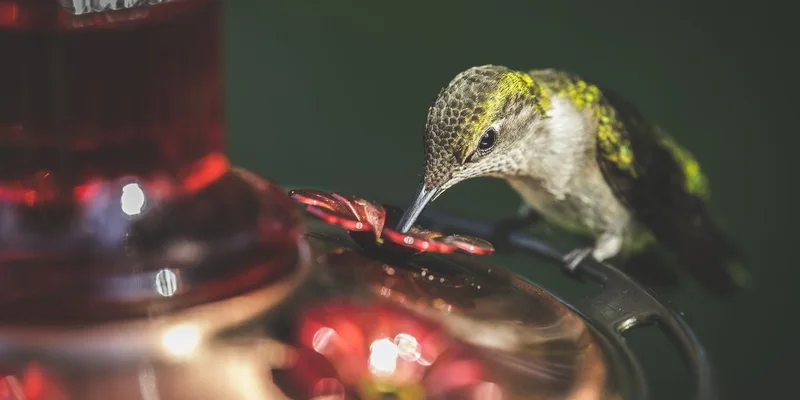 Hummingbird GearHummingbird feeders by shape and feature. Ant moats, bee guards, saucers, perches and the ones that come apart to clean.Browse hummingbird gear ›
 Hummingbird CareNectar, ants, bees, mold and migration, answered with Audubon and Cornell sources instead of kitchen folklore.Browse hummingbird care ›
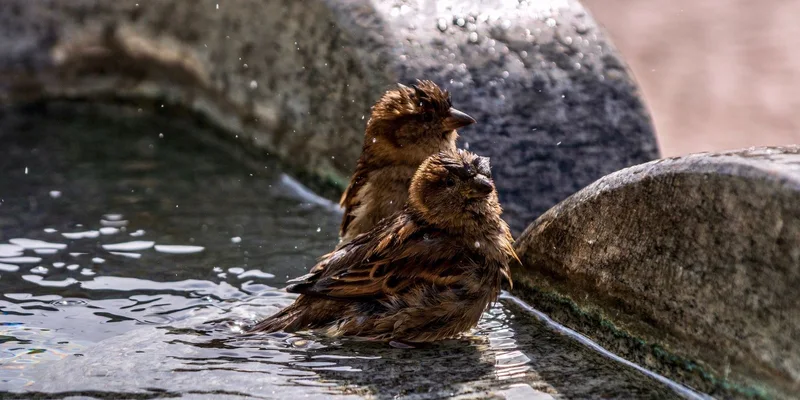 Bird BathsHeated baths, solar fountains, pumps and depth. What keeps water open in winter and moving in summer.Browse bird baths ›
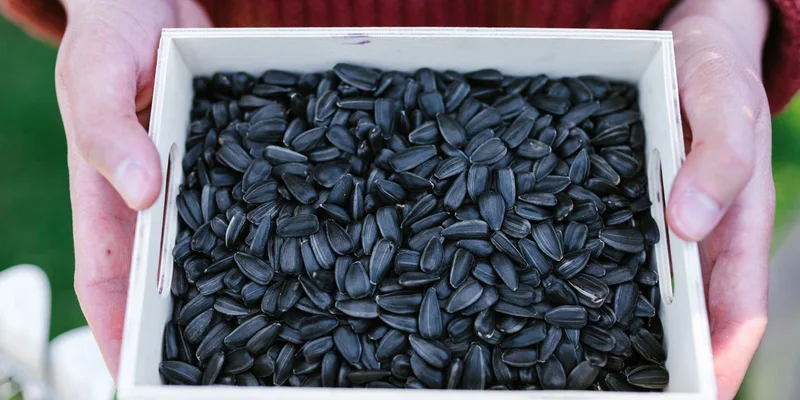 Seed and FoodWhich seed brings which bird, what to skip, and how to store a bag without feeding the mice instead.Browse seed and food ›
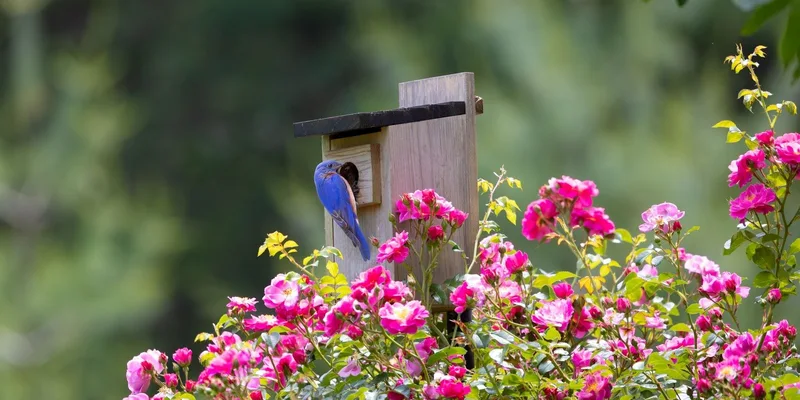 Houses and SetupNest boxes, hole sizes and placement from NestWatch, plus feeder hygiene and keeping birds off your windows.Browse houses and setup ›
Start here
The guides that answer the questions we get first, each one written around the birds you want and the yard you have rather than brand names.
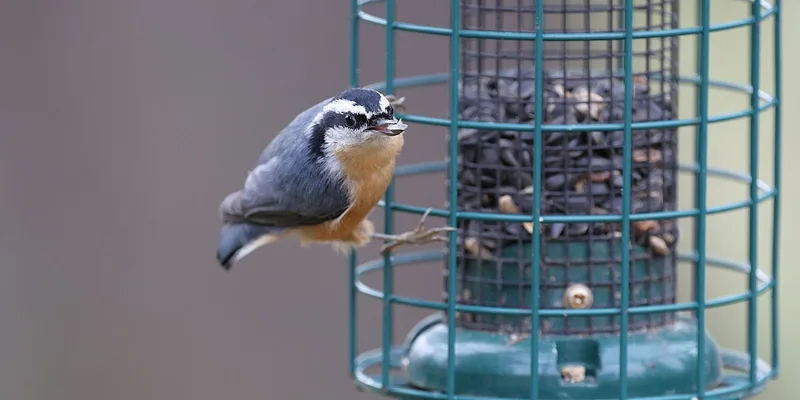 Camera FeedersBird Feeder With Camera: What the App Actually SeesWhat the app actually identifies, what the subscription covers, and which models work without one.Read the guide ›
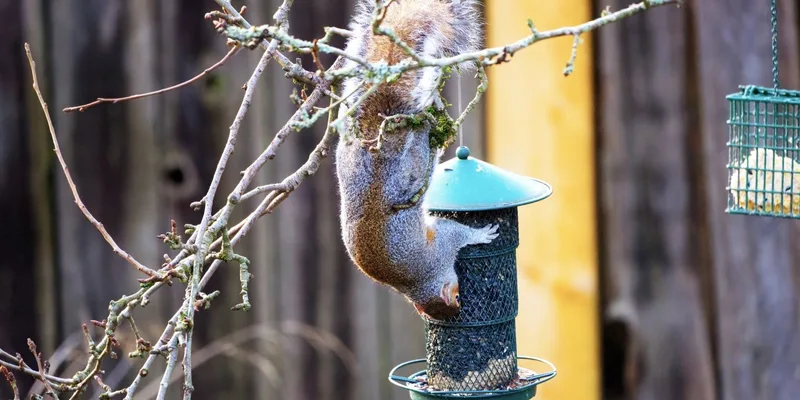 Squirrel DefenseSquirrel Proof Feeders: What Actually Defeats ThemWeight activated, caged or baffled. The mechanism matters far more than the word on the box.Read the guide ›
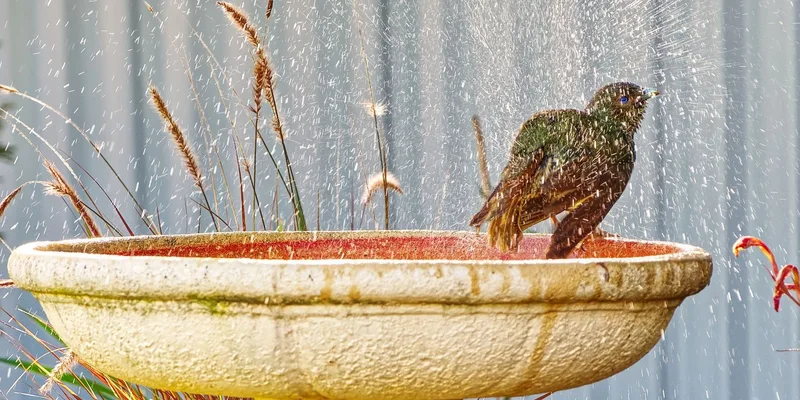 Bird BathsBird Baths: Depth, Texture and Where It GoesDepth, texture and moving water decide whether birds use it, and whether it survives a freeze.Read the guide ›
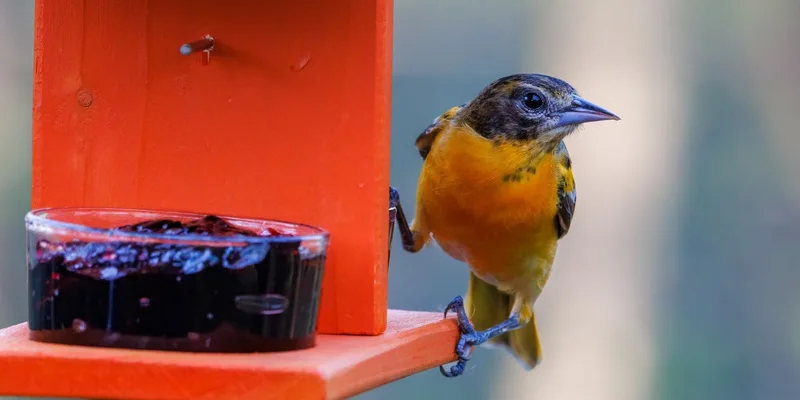 By SpeciesOriole Feeder: Jelly, Orange Halves and Nectar PortsOrange ports, jelly dishes and nectar. Why an oriole ignores the feeder that works for finches.Read the guide ›
How we choose what to suggest
We are not a test lab and we do not pretend to be. There is no test yard here, no shelf full of samples, and no scoring system invented to sound objective. What we do is read the product listings and the manufacturer instructions, compare the specifications makers publish about their own products, and set those next to the guidance of the organizations that actually study these birds.
When a number comes from a listing, from a manual or from an official source, we name it so you can check it yourself. Camera feeders get an extra look, because some brands sell mainly through their own store and some charge a subscription for the features people assume are included. When a category is full of near identical products, often the same feeder under a different badge, we say that too instead of inventing a winner.
Where our guides stop
Every yard, feeder and season is a different combination, so the answers that matter most are not ours. What a species eats, how nectar is mixed and how often a feeder needs cleaning come from Cornell Lab of Ornithology and All About Birds, from Audubon and from NestWatch, quoted as they give it. We do not publish our own version of a nectar recipe.
Feeders concentrate birds, and that carries a real disease risk. Local guidance during an outbreak, any temporary rule about feeding, and what to do about a sick bird belong to your state wildlife agency and to a licensed rehabilitator. We point to gear the way we would for our own yard, with the caveats left in rather than trimmed out.
What you can expect from a guide here
Perch size, port shape and seed type decide who turns up. Most disappointment traces back to a feeder built for a different species.
Capacity, materials, weather rating, camera resolution and battery figures are quoted from the maker, never assumed or rounded up.
Where a camera feeder needs a paid plan, or sells only through its own store, that goes in the guide instead of behind a buy button.
Where the answer belongs to Cornell Lab, to Audubon or to your state wildlife agency, we say so instead of guessing.