Last updated: August 21, 2026
Almost nobody sets out to harm a bird. The bread goes out because a child wants to feed the ducks, the leftover rice goes out because throwing it away feels wasteful, and the bacon fat goes into the suet cage because it seems like exactly the kind of thing a woodpecker would want. The intention is good every single time.
The problem is that a backyard feeder is not a compost heap with wings. Wild birds eat a narrow diet, they eat a lot of it relative to their body weight, and food that merely fills them up displaces food that actually keeps them alive. Here is the short list of what to keep out of the feeder and off the lawn, and what to put there instead.
This article contains affiliate links. If you buy through them, we may earn a commission at no extra cost to you. Learn more.
Quick Answer
What should you not feed birds?
- Bread and baked goods. Audubon has made the point that bread fills birds without feeding them, and a filled bird stops looking for real food.
- Anything salted, seasoned or roasted for people, including snack nuts and seeds sold for humans.
- Moldy or clumped seed, and anything that has been sitting wet in a feeder or on the ground.
- Honey and red dye in hummingbird nectar. Audubon says honey can promote dangerous fungal growth and that red food coloring is unnecessary and could prove harmful.
Bottom line: a feeder is for seed, suet, fruit, mealworms and plain sugar water, and kitchen leftovers belong in the bin rather than on the lawn.
The Principle Behind the List
Two things make a food wrong for a feeder. Either it is actively harmful, or it is empty enough that eating it crowds out the food a bird actually needs. The second category is bigger and does more damage, because it looks harmless while it happens.
That is why the answer to most kitchen scrap questions is no even when the item is not toxic. A bird that fills up on bread is not poisoned; it is simply not fed, and going into a cold night not fed is its own kind of problem.
Bread and Baked Goods
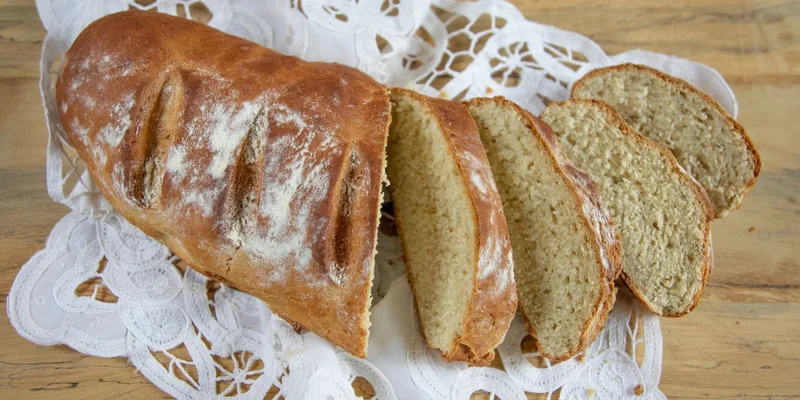
Bread is the classic mistake and the most common one. Audubon has made the case plainly, that too much bread means birds are not getting the nutrition they need and that undernourished birds are more vulnerable. Crackers, cake, pastry, chips and cereal all sit in the same category.
There is no version of this that is fine. Whole grain bread is still bread, and stale bread is worse rather than better because it molds quickly once it is damp on the ground. If the aim is to feed birds something they will mob, a suet cake does the job properly, which our suet feeder guide covers.
What About Ducks and Geese?
Same answer, more visibly. Waterfowl fed bread congregate, the uneaten bread fouls the water, and the birds that come to expect it stop foraging. It is also a different situation from a backyard feeder, and where a local pond has a feeding policy, that policy belongs to the site or the state wildlife agency rather than to us.
Salted, Seasoned and Roasted Food
Anything processed for a human palate is out. Salted peanuts, roasted sunflower seeds from the snack aisle, seasoned crackers, chips and the salty end of a charcuterie board. Wild birds get almost no salt in a natural diet and their bodies are not built around handling a load of it.
The confusing part is that the raw version of the same food is often perfectly fine. Plain unsalted peanuts are a genuinely good feeder food, and Cornell Lab’s Project FeederWatch notes that peanuts can be offered shelled or in the shell and appeal to jays, chickadees, nuthatches and titmice. Buy the bird food version, not the snack version.
Kitchen Leftovers and Fats
Cooked rice, pasta, potato, meat scraps and bacon grease all get suggested somewhere online. Skip all of it. Leftovers spoil fast outdoors, they attract rodents and raccoons far more efficiently than they attract birds, and cooking fats behave nothing like the rendered suet sold for feeders.
Rendered suet cake is the right product for the birds that want fat, and it is formulated to hold its shape rather than going rancid on a warm afternoon. Woodpeckers, nuthatches and chickadees use it readily; Project FeederWatch describes suet as a good choice for attracting insect eating birds.
Milk and Dairy
Milk soaked bread and saucers of milk turn up in old advice and in a lot of well meaning garden lore. Leave them out. Beyond the nutritional argument, dairy left in a dish outdoors sours within hours and becomes a mess that attracts everything except the birds you wanted.
Moldy Seed and Anything Wet
Old seed is a food safety issue rather than a preference issue. Cornell Lab’s Project FeederWatch treats wet weather and heavy use as reasons to clean feeders more often, and clumped, sour smelling or visibly moldy seed should be emptied out rather than topped up over.
The same goes for the ground under the feeder. A mat of wet hulls and dropped seed grows mold, holds bacteria and draws rodents, which is why the tidy up matters as much as the refill. Our guide to cleaning feeders and the disease risk behind it goes through the routine and the sources.
Hummingbird Nectar: Honey, Dye and Substitutes
Nectar has its own short list of prohibitions and they come straight from the sources. Audubon says not to substitute honey, which can promote dangerous fungal growth, and not to use red food coloring, which is not necessary and could also prove harmful to birds. Cornell Lab’s Project FeederWatch likewise says not to add red food coloring.
Brown sugar, raw sugar, molasses and artificial sweeteners are also outside what the published recipes call for; Audubon’s recipe specifies refined white sugar. The full recipe, with the sources, is in our hummingbird nectar guide.
The List at a Glance
The nectar rows follow what Audubon and Cornell Lab’s Project FeederWatch publish; the rest reflects the general principle that a feeder should carry bird food rather than people food.
| Keep out | Why | Offer instead | Where it comes up |
|---|---|---|---|
| Bread and baked goods | Fills birds without feeding them | Suet cake or sunflower | Ponds, lawns, children feeding |
| Salted or roasted snacks | Salt has no place in a wild diet | Plain unsalted peanuts | Leftover party food |
| Cooked leftovers and grease | Spoils fast, draws rodents | Rendered suet cake | Suet cages, compost habits |
| Milk and dairy | Sours quickly, poor nutrition | Fresh water in a bath | Old garden advice |
| Moldy or clumped seed | Mold and bacteria risk | Fresh seed, smaller amounts | Bottom of the bin or tube |
| Honey in nectar | Audubon warns of fungal growth | Refined white sugar | Homemade nectar |
| Red dye in nectar | Sources say it is unnecessary | Clear nectar, red feeder parts | Store bought nectar mixes |
What to Put Out Instead
The replacement list is short and it is the same list every reliable source gives. Black oil sunflower for the broad crowd, nyjer for finches, safflower for cardinals, millet and cracked corn on the ground, peanuts for jays and titmice, suet for the insect eaters, and clean water.
If you want to feed something more interesting than seed, feed fruit rather than leftovers. Project FeederWatch notes that various fruits can prove quite attractive to many species, and orange halves and jelly are a well established way to bring in orioles. Which seed does what is laid out in our seed to species table, and the corvid side of it in our crow feeding guide.
Frequently Asked Questions
Is bread really bad for birds? It is poor food rather than poison. Audubon has made the point that bread does not give birds the nutrition they need and that undernourished birds are more vulnerable, and a bird that fills up on it stops looking for better food.
Can birds eat salted peanuts? No. Buy plain unsalted peanuts sold as bird food. Cornell Lab’s Project FeederWatch notes that peanuts appeal to jays, chickadees, nuthatches and titmice, but that applies to the plain version rather than the snack aisle one.
Can I put bacon grease in a suet feeder? Better not to. Cooking fats are salty, they soften and go rancid in warm weather, and they attract mammals to the feeder. Rendered suet cakes are made to hold together and are the product designed for the job.
Should I use red dye in hummingbird nectar? No. Audubon says red food coloring is not necessary and could prove harmful to birds, and Cornell Lab’s Project FeederWatch says not to add red food coloring. The red parts of the feeder do the attracting.
Can I feed birds rice or pasta? Skip it. Cooked starches spoil quickly outdoors and offer little of what a wild bird needs, and the leftovers draw rodents and raccoons long before they draw the birds you were hoping for.
What do I do with seed that has gone moldy? Bin it rather than putting it out, empty and clean the feeder before refilling, and rake up the wet material underneath. Project FeederWatch treats wet weather and heavy use as reasons to clean feeders more frequently.
The Bottom Line
Keep bread, baked goods, salted snacks, cooked leftovers, grease and dairy away from the feeder, throw out seed that has clumped or molded, and keep honey and red dye out of hummingbird nectar because Audubon and Cornell Lab both say so. What goes in instead is unglamorous and short: sunflower, nyjer, safflower, millet, peanuts, suet, fruit and clean water. Read next: the seed to species table, the crow feeding guide, and our feeder cleaning guide.