Last updated: August 21, 2026
Buying the big bag feels like the sensible move right up until you open it in March and find the seed webbed together in the corners, or notice a neat round hole chewed through the bottom and a trail of sunflower leading behind the mower. A season of savings disappears in one afternoon of scooping ruined seed into a sack.
Storage is the least glamorous part of feeding birds and the one that quietly decides whether bulk buying is smart or wasteful. Three things go wrong: moths get in, rodents chew in, and moisture turns the whole thing into a moldy brick. All three have the same short list of fixes, and none of them are expensive.
This article contains affiliate links. If you buy through them, we may earn a commission at no extra cost to you. Learn more.
Quick Answer
How should you store bird seed?
- Metal if rodents are a possibility. A galvanized can with a lid that clamps down is the one container mice cannot chew through.
- Sealed rather than merely covered, because moths get in through any gap and humidity does the rest.
- Cool, dry and off the floor. A shaded shed or garage beats a sunny porch, and a pallet or shelf beats bare concrete.
- Quantities you will actually use. Oily seed goes rancid, and a bag that outlasts the season was never a bargain.
Bottom line: a sealed metal can in a cool dry spot, filled with an amount you will get through, solves all three problems at once.
The Three Things That Ruin Stored Seed
Pantry moths, rodents and moisture. Moths arrive as eggs already in the seed and hatch into larvae that web the seed together. Rodents chew through paper and thin plastic for the fat content. Moisture causes clumping, then mold, and mold is the one that becomes a health problem for the birds rather than just for your wallet.
Every storage decision from here is aimed at one of those three. A container that stops all three is a container that is airtight, chew resistant and kept somewhere dry, which narrows the field considerably.
Metal Cans Beat Plastic Where Mice Exist
A galvanized steel can with a lid that seats firmly is the standard answer for anywhere a mouse might reach, because mice and rats chew through paper sacks and thin plastic tubs without much effort. Metal removes that possibility entirely, which no amount of container thickness in plastic quite manages.
The weak point on a metal can is the lid rather than the body. A loose lid gets nudged off, and a can without a rim seal still lets humidity in. Look for a lid that clamps, latches or at least sits deep, and if the can lives outdoors, keep it under cover so rain does not pool in the rim.

When Plastic Is the Better Choice
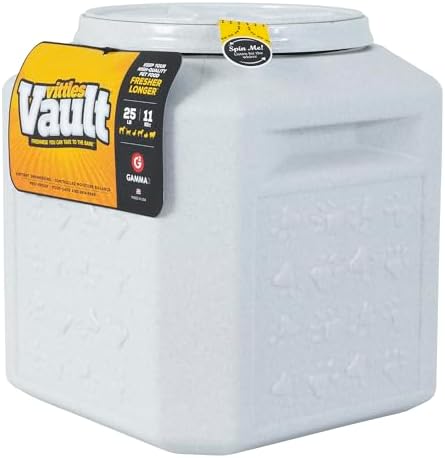
Indoors, in a garage with no rodent history, or where you need to lift the container regularly, a heavy walled plastic tub with a gasketed screw top is easier to live with. It is lighter, it seals more reliably against humidity than most metal lids, and you can see how much is left. It just will not stop a determined rodent.
Stopping Moths Before They Start
Moth eggs usually arrive inside the seed rather than flying into your garage, which is why a brand new sealed container can develop an infestation on its own. The seal keeps them contained rather than keeping them out, so the useful move is to deal with the seed before it goes into storage.
Freezing a new bag for a few days before decanting is the common home remedy and it is a reasonable one for the amounts a backyard feeder gets through. Beyond that, keep the container cool, since warmth speeds up the whole life cycle, and clean out the corners of the can between bags instead of pouring new seed onto old residue.
What an Infestation Looks Like
Fine webbing binding seeds together, small pale larvae in the folds of the bag, or moths flying up when you lift the lid. It is unpleasant rather than dangerous, and birds will eat around it, but the seed degrades and the population spreads to anything else stored nearby. Dispose of the batch, wash and dry the container completely, and start fresh.
Moisture, Mold and Why It Matters More Than the Rest
Damp seed clumps, then molds, and moldy feed is the one storage failure with a real cost to the birds rather than only to you. Cornell Lab’s Project FeederWatch is direct about wet conditions at feeders being a reason to clean more often, and the same logic applies to the bin the seed came from.
The practical rules are dull and they work. Never scoop with a wet hand or a wet cup. Never top up a container over the layer at the bottom. Keep the can off bare concrete, which sweats, and out of direct sun, which drives condensation inside a sealed container as it heats and cools.
Scoop, Decant and Rotate
The routine matters as much as the container. Keep a dedicated dry scoop with the can rather than using whatever is to hand, decant the whole bag at once instead of leaving a half open sack beside the bin, and finish one batch before opening the next so nothing sits at the bottom for a year.
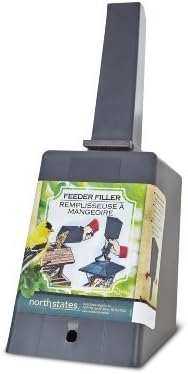
A scoop with a straight edge and volume markings makes the second job easier too, which is filling the feeder without overfilling it. Seed that sits uneaten in a feeder for weeks is the same spoilage problem moved outdoors, and it is the main thing that draws rodents, as our rat resistant feeder guide explains.
Comparing Storage Options
Four common setups, ranked by what they actually stop rather than by what they cost.
| Container | Stops rodents | Stops moisture | Best placed |
|---|---|---|---|
| Galvanized can with clamping lid | Yes | Good, if the lid seats well | Garage, shed, under cover |
| Plastic tub with gasket lid | No | Very good | Indoors or a rodent free garage |
| Original paper sack | No | No | Nowhere, decant it |
| Feeder itself as storage | No | No | Only what birds eat in days |
How Much to Buy at Once
Buy what your feeders will empty within a couple of months rather than the biggest bag available. Sunflower and nyjer are oily seeds, oil goes rancid, and a stale bag gets quietly ignored by the birds while you assume they have moved on to a neighbor’s yard.
Hulled seed deserves a shorter horizon still, because the shell that would normally protect the kernel has been removed at the mill. If you feed hulled products, as our no mess seed guide argues you probably should on a patio, buy smaller and more often.
Frequently Asked Questions
What is the best container for storing bird seed? A galvanized metal can with a lid that clamps down, kept somewhere cool and dry. Metal is the only common material rodents cannot chew through, and a firm lid handles both moths and humidity.
Can I store bird seed in the garage? Yes, if it is cool, dry and the container is sealed. Keep the can off bare concrete, which draws moisture, and out of a sunny window, since heating and cooling drives condensation inside the container.
How long does bird seed last in storage? A couple of months is a sensible planning horizon for oily seeds like sunflower and nyjer, and less for hulled seed with no protective shell. Sealed and cool extends it; warm and humid shortens it sharply.
How do I get rid of moths in bird seed? Dispose of the affected batch, wash and thoroughly dry the container, and freeze the next bag for a few days before decanting. Moth eggs usually arrive inside the seed, so the fix is upstream of the container.
Is it safe to feed seed that has clumped? No. Clumping means moisture, and moisture leads to mold. Cornell Lab’s Project FeederWatch treats wet conditions as a reason to clean feeders more often, and the same caution applies to the seed itself. Discard it rather than putting it out.
Should I store seed inside the feeder? Only what the birds will eat within a few days. A full feeder in wet weather is a storage container with no lid, and seed sitting in the bottom of a tube through a rainy week is where clumping and mold usually start.
The Bottom Line
A sealed galvanized can where rodents are possible, a gasketed plastic tub where they are not, kept cool, dry and off the floor, with a dry scoop living beside it and one batch finished before the next is opened. Freeze new bags for a few days if moths have been a problem, and buy quantities you will actually get through, because rancid seed and moldy seed both end up in the same sack on the way to the bin. Read next: the no mess seed guide, the rat resistant feeder guide, and our seed to species table.