Last updated: August 21, 2026
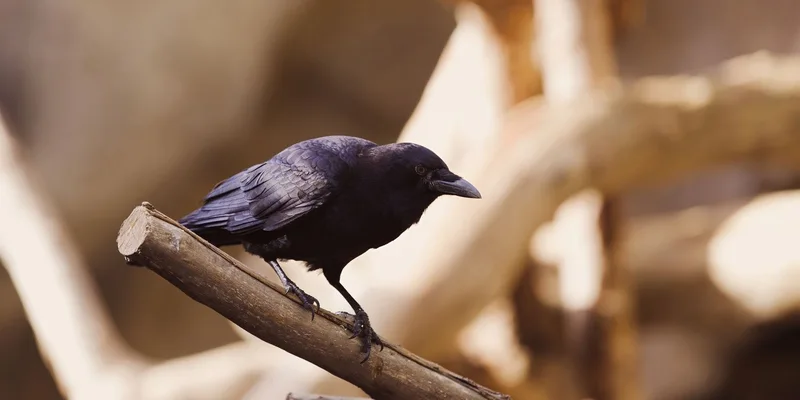
Feeding crows is a different project from feeding songbirds, and it starts with an honest fact: crows are not really feeder birds. Cornell’s All About Birds account for the American Crow says as much, noting that crows do not regularly visit feeders but that you can attract them to a backyard with a mix of trees, open space and food.
What that means in practice is that you are not buying a crow feeder so much as building a crow spot: an open surface, in view, stocked with something worth landing for. The payoff is unusual. Crows learn faces, learn schedules and remember both, which is why people who feed them tend to keep doing it for years. This guide covers the setup, the food, and the neighborly side that nobody mentions until it is a problem.
This article contains affiliate links. If you buy through them, we may earn a commission at no extra cost to you. Learn more.
Quick Answer
How do you feed crows in a backyard?
- Use an open surface: a large platform, a flat roof or the ground, not an enclosed feeder.
- Peanuts in the shell, left somewhere open, are the standard attractant.
- Keep it visible from the air and away from anything a crow would treat as an ambush point.
- Feed at the same time each day, because crows learn a schedule quickly.
Bottom line: an open tray with unsalted peanuts, in the same place at the same hour, does more than any purpose built feeder.
Why There Is No Real Crow Feeder
Because a crow will not use one. Cornell’s All About Birds account describes crows as birds that usually feed on the ground and eat almost anything, and says they do not regularly visit feeders, though a yard with trees, open space and food can attract them. Nothing about that description points to a hopper.
So the equipment question becomes a surface question. A wide, open, flat area with clear sightlines is what a crow will come down to, whether that is a purpose built platform, a paving slab or a patch of lawn. Anything with a roof, a cage or narrow sides is simply not part of the conversation.
Open Sightlines Matter More Than Height
Crows are wary birds and they land where they can see. A tray in the middle of a lawn gets used more readily than one tucked beside a shed, which is the opposite of the advice for chickadees and cardinals. If your setup is not working, the position is usually why.
What to Put Out
Peanuts, plainly. Cornell’s account for the species says peanuts left in an open place are a good attractant, and that is the single most reliable thing you can offer. Whole in the shell works and gives the birds something to carry off, which they will.
Keep everything unsalted and unprocessed. Salted nuts, seasoned leftovers, bread and pet food are all things crows will eat and none of them are things worth offering. Our guide to what not to feed birds covers where that line sits, and it applies here more than anywhere because crows will genuinely eat almost anything.
The Compost and Garbage Caveat
Cornell’s account notes that crows are also attracted by compost, garbage or pet food. That is a description of what draws them, not a recommendation. Feeding crows deliberately from a clean surface is a different thing from leaving food waste accessible, and only the first is worth doing.
Setting Up a Crow Spot
The Open Platform
A large open tray, on a post or on legs, is the closest thing to a crow feeder that exists. Project FeederWatch notes that tray feeders attract most species of feeder birds, and a big one with a drained floor handles the weather and the volume a crow visit involves.

Ground Level, Which Is Where They Prefer It
A wide ground feeding tray suits how crows actually eat, since Cornell describes them as birds that usually feed on the ground. Legs keep the food out of wet grass, and a screen floor lets rain through instead of collecting it.

The Food Itself
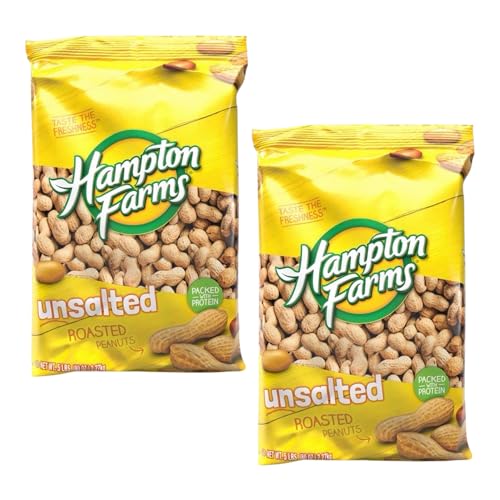
Whole unsalted peanuts in the shell are the standard, and buying them as wild bird food rather than as a snack product avoids the salt and seasoning question entirely. Put out a set amount rather than a pile, so nothing is left sitting after the birds have gone.
Comparing the Setups
There are only really three options here, and they differ in how exposed the food is and how much cleanup they create.
| Setup | How crows use it | Cleanup | Best suited to |
|---|---|---|---|
| Large open platform | Land, take, carry off | Easy, one surface to clear | Yards with a visible open spot |
| Ground tray on legs | Closest to natural feeding | Rake underneath regularly | Yards with lawn and sightlines |
| Bare ground or paving | Works immediately | Hardest, food scatters | Testing whether crows are around |
| Enclosed seed feeder | Rarely used at all | Not applicable | Not a crow solution |
The Part Nobody Mentions: Neighbors and Numbers
A crow that finds a reliable food source tells other crows, and a handful can become a crowd. Feed a fixed amount at a fixed time and stop when it is gone, rather than leaving food out. That single habit keeps the numbers manageable and keeps the food from sitting where it attracts other animals.
Local rules vary. Some municipalities, counties and homeowner associations restrict feeding certain wildlife, and crows are the species most likely to appear in such a rule. Check what applies where you live, and if in doubt your state wildlife agency is the right place to ask rather than a forum.
If It Becomes a Problem
If crows or other animals become a genuine nuisance at your property, stop feeding first and then contact your state wildlife agency for guidance. We do not recommend deterrent chemicals, traps or any method aimed at harming an animal, and nothing on this site will.
Frequently Asked Questions
Is there a proper crow feeder? Not in the way there is for finches. Cornell’s All About Birds account says crows do not regularly visit feeders, so an open platform or a ground tray is the practical setup rather than any enclosed design.
What food attracts crows? Peanuts. Cornell’s account for the American Crow says peanuts left in an open place are a good attractant. Keep them unsalted and unseasoned, and buy them as wild bird food rather than as a human snack.
Do crows really remember people? They are well studied for exactly this, and researchers at several universities have run experiments on crow face recognition. From a practical standpoint, feeding at the same time in the same place is what builds the routine.
Will feeding crows drive other birds away? Crows dominate an open feeding surface while they are on it, but they do not use the small feeders. Keeping the crow spot well away from your seed feeders keeps the two populations mostly separate.
Am I allowed to feed crows? That depends on where you live, since some municipalities and homeowner associations restrict wildlife feeding. Check locally, and ask your state wildlife agency if the rules are unclear.
What should I never offer? Anything salted, seasoned, moldy or processed, and anything left out to sit. Crows will eat almost anything, which makes restraint the whole discipline. See what not to feed birds for the full list.
The Bottom Line
Crows want an open surface, plain unsalted peanuts, and a predictable schedule. Buy a big flat tray if you want the food off the wet ground, put it somewhere with clear sightlines, and stop when the day’s portion is gone. Everything difficult about feeding crows is about volume and neighbors rather than equipment. The feeder shapes generally are compared in hopper, tube or platform, and the food limits are set out in what not to feed birds.