Last updated: August 21, 2026
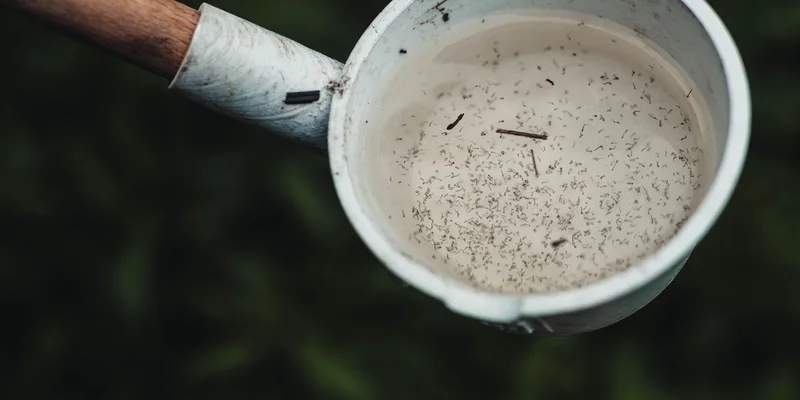
You look into the bath on a warm morning and the surface is busy. Little comma shaped things hanging under the film, jerking downward when your shadow crosses them, then drifting back up. Those are mosquito larvae, and they got there because a bird bath is exactly what a female mosquito is looking for: still, warm, shallow water that nothing is going to disturb for a week.
The instinct is to reach for something to put in the water. That instinct is right in one specific case and wrong in most of the others, because whatever goes in the bath is going into birds a few hours later. This article covers what actually breaks the cycle, what the EPA says about the one product that is registered for water like this, and what should never go in a bath at all.
This article contains affiliate links. If you buy through them, we may earn a commission at no extra cost to you. Learn more.
Quick Answer
How do you stop mosquitoes breeding in a bird bath?
- Dump and refill the water regularly. Larvae need days of undisturbed water, so a bath that gets emptied never finishes the cycle.
- Add movement. A small bubbler or agitator keeps the surface broken, which larvae cannot use comfortably.
- If you want a product, the one registered for standing water is Bti, and the EPA describes it as targeting only mosquito, black fly and fungus gnat larvae.
- Never add oil, soap, bleach or a household insecticide to a bath. It goes into the birds.
Bottom line: emptying the bath is the real answer, movement is the backup, and Bti is the only additive worth considering.
Why a Bird Bath Is Prime Mosquito Habitat
Mosquitoes lay in still water and their larvae hang at the surface to breathe. They need that surface undisturbed for several days while they develop, which is why a rain barrel, a saucer under a plant pot and a bird bath all end up with the same problem. Depth is irrelevant. A film of water in a plant saucer works just as well for them as a full basin.
That also tells you where the weakness in their plan is. Interrupt the water before the larvae finish developing and nothing emerges. You do not need to kill anything, you need to break the schedule, and a bath is the easiest standing water in the yard to interrupt because it is small and it is at waist height.
The Fix That Costs Nothing
Tip the bath out and refill it. Not top it up, tip it out, so the larvae go onto the ground where they cannot survive. Audubon’s general guidance for baths is to change the water every day or two anyway, for hygiene rather than for mosquitoes, and doing that reliably solves both problems at once.
Get in the habit of doing it at the same moment as something else, filling a feeder or watering pots, and it stops being a task you forget. A bath that is emptied on a schedule simply does not produce mosquitoes, and it also does not develop the green film that makes the bath unattractive to birds.
Do Not Forget the Rest of the Yard
The bath is the visible standing water, not usually the biggest source. Plant pot saucers, a wheelbarrow, a clogged gutter, a tarp with a pocket in it, a kid’s toy left upside down in the grass: those hold water for weeks and nobody empties them. If you are dealing with the bath and still swatting, walk the yard after a rain and look for containers.
Moving Water, and Why It Works
Larvae need to hang at the surface. Break the surface continuously and the bath stops being usable habitat. A small solar bubbler, a dripper or a battery powered agitator all do this, and they have a second benefit that has nothing to do with mosquitoes: Audubon points to the sound and sight of moving water as one of the strongest things you can add to a yard for attracting birds.
Movement is a backup, not a replacement for emptying. A fountain in a bath that never gets dumped still grows a film and still collects droppings. If you want the fountain route, our guide to the bird bath pump covers what size actually suits a shallow basin, and the bird bath fountain guide covers the whole units.
Bti: The One Product Registered for This Water
Bti is short for Bacillus thuringiensis subspecies israelensis, a naturally occurring bacterium sold as dunks or granules. The EPA describes it as producing toxins that specifically affect the larvae of mosquitoes, black flies and fungus gnats, and states that Bti has no toxicity to people and that it can be applied to standing water where mosquito larvae develop.
Two practical notes. Follow the label rate for the volume of water you actually have, because a bird bath is a fraction of the volume these products are usually dosed for, and keep changing the water anyway. Bti handles larvae; it does nothing about droppings, seed hulls or algae in the basin.
Read the Label, Not the Forum Post
Products vary and labels change. The EPA registers specific Bti products for specific uses, and the label on the package is the legal instruction for that product. If a label does not mention water that wildlife drinks from, treat that as a reason to stick with emptying and movement instead.
What Should Never Go in a Bird Bath
Anything that coats the surface or the bird. Cooking oil, mineral oil and dish soap are all suggested online as ways to suffocate larvae, and all three ruin the water repellency of feathers, which is the thing keeping a small bird warm and airborne. A bird that bathes in an oil film is in real trouble.
Bleach, copper sulfate, household insecticides and mosquito foggers are the other category. A bath is drinking water for everything in the yard, and none of those belong in drinking water. The table below sorts the common suggestions.
| Method | Works on larvae | Safe around birds | Verdict |
|---|---|---|---|
| Dump and refill | Yes, breaks the cycle | Yes | The main answer |
| Bubbler or agitator | Yes, surface stays broken | Yes, and it attracts birds | Good backup |
| Bti dunk or granules | Yes, per EPA registration | EPA: targets only certain fly larvae | Use at label rate |
| Oil, soap, bleach, insecticide | Sometimes | No, ruins feathers or is drunk | Never in a bath |
Frequently Asked Questions
How often do I need to change the water to stop mosquitoes? Often enough that larvae never finish developing, which in practice means the every day or two that Audubon recommends for bath hygiene anyway. Tip the water out rather than topping it up, so the larvae go with it.
Are mosquito dunks safe in a bird bath? Dunks contain Bti, which the EPA describes as affecting only the larvae of mosquitoes, black flies and fungus gnats and as having no toxicity to people. Dose to the label for the volume of water in the basin, and keep changing the water.
Will a fountain alone keep mosquitoes out? Mostly, because larvae need an undisturbed surface. It is not a reason to stop emptying the bath, since a fountain does nothing about droppings, hulls or algae.
Can I put a drop of dish soap in the water? No. Soap and oil break down the water repellency of feathers, which is what keeps a small bird warm and able to fly. Nothing that coats the surface belongs in a bath.
Do the mosquitoes in my bath carry disease? Species and local risk vary a lot, and your county or state health department is the right source for what is circulating where you live. What is universal is that removing standing water is the recommended first step everywhere.
Do birds eat mosquito larvae out of the bath? Some will take them opportunistically, but do not count on it as control. The bath fills up faster than the birds work through it.
The Bottom Line
Mosquito larvae in a bird bath are a schedule problem, not a chemistry problem. Empty the basin instead of topping it up, add movement if you want a second line of defense, and if you use a product, use one that is registered for standing water and follow its label. For the water itself, our guide to cleaning a bird bath covers the scrub, and the bird bath pump guide covers how small a pump a shallow basin actually needs.