Last updated: August 21, 2026
Somewhere around Labor Day the traffic drops off, and then one morning there is nothing. The feeder is still full, the weather is still warm, and the old piece of advice surfaces from a neighbor or an aunt: take it down now, or they will not leave and they will die in the first frost.
That advice is wrong, and both Audubon and the Cornell Lab of Ornithology say so plainly. The real question in September is not whether to take the feeder down for their sake, but when to stop maintaining it for yours. Here is what the sources actually recommend, and what to do with the feeder afterward.
This article contains affiliate links. If you buy through them, we may earn a commission at no extra cost to you. Learn more.
Quick Answer
When should you take hummingbird feeders down in fall?
- Audubon: leave feeders out as long as you have hummingbirds around, and you can keep going after they disappear.
- Cornell Lab encourages keeping feeders up for several weeks after the last bird, for late stragglers.
- Taking it down early does not start migration and leaving it up does not stop it.
- When you do stop, clean and dry the feeder properly before it goes into storage.
Bottom line: there is no deadline, only a last bird and a couple of weeks of grace after it.
What the Sources Say About the Deadline
There is not one. Audubon’s hummingbird feeding guidance says you can leave your feeders out as long as you have hummingbirds around, and that you can even continue providing the feeder after your hummingbirds disappear. The Cornell Lab encourages keeping feeders up for several weeks after the last hummingbird has left, in case a straggler turns up needing fuel.
So the honest calendar answer is a rolling one. Watch for the last visit, keep the feeder going for a couple more weeks, and then stop when you are confident nothing is coming. No date on a chart beats what is happening at your own feeder.
Why the Old Advice Persists
Because it sounds like common sense: remove the food and the animal moves on. The trouble is that hummingbird migration is not triggered by the food supply. Audubon attributes the timing to changes in day length and the angle of the sun, not to a lack of nectar or a drop in temperature.
Once you accept that, the fear behind the advice disappears. A bird still visiting your feeder in October is not trapped there by the feeder, and removing it does not send the bird south a week earlier than it intended.
The Straggler Argument for Leaving It Up
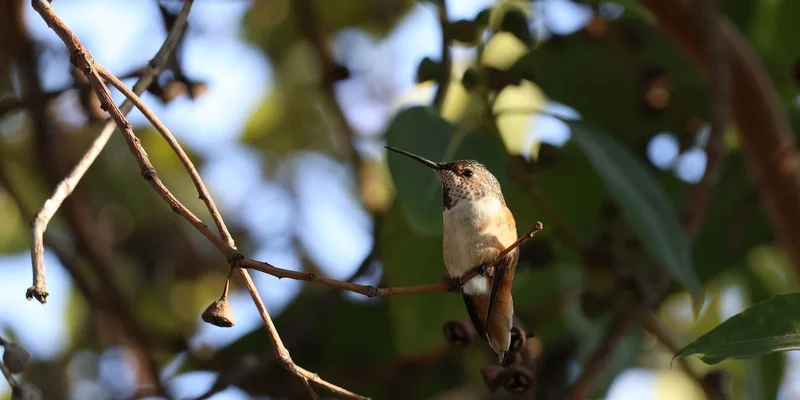
Late birds exist, and they are the reason the Cornell Lab suggests keeping feeders up for several weeks after your last sighting. A hummingbird moving through in the middle of October has a long way still to go, and a working feeder in a yard with no flowers left is a genuinely useful stop.
What a Late Bird Might Be
Not necessarily the species you fed all summer, and that is part of the interest. If something turns up unusually late in your area, a local Audubon chapter or your state wildlife agency is the right place to report it, and they will tell you what it is likely to be.
Keeping It Going in Cold Weather
Two things change once nights get cold. Nectar can freeze, and spoilage slows right down, so the schedule loosens while the freezing problem starts. Audubon’s cooler weather cleaning interval is twice per week, so the maintenance load drops as autumn goes on.
The practical routine in a cold snap is to bring the feeder in overnight and put it back out at first light, which is when a hungry bird most needs it. A feeder that comes apart easily makes that job a nuisance rather than a chore, which is the case for the designs in our feeders that actually come apart.
Where You Live Changes the Answer
In much of the Pacific Coast there is no fall shutdown to plan. Cornell Lab’s All About Birds describes Anna’s Hummingbird as a year round resident along the Pacific Coast, so the season there is continuous and the winter question is about keeping nectar liquid rather than putting the feeder away.
In the north and the interior the season closes properly, and in the southern tier late birds are more common than most people expect. Either way the method is identical: watch your own feeder, then add the grace period the Cornell Lab suggests.
Taking It Down Properly
When you do stop, the last job is a full clean rather than a rinse and a shelf. Cornell Lab’s Project FeederWatch describes taking the feeder apart, washing the parts thoroughly with warm water and dish soap, rinsing thoroughly and letting everything dry completely, which is exactly what you want before six months in a box.
| Situation | What the sources say | What to do with the feeder | Watch for |
|---|---|---|---|
| Birds still visiting | Audubon: leave it out as long as you have hummingbirds | Keep the normal schedule going | Cooler weather stretches the interval |
| No bird for a few days | Cornell Lab: keep it up for stragglers | Keep going, mix smaller batches | Nectar still spoils on warm afternoons |
| Several weeks with nothing | No source sets a deadline | Clean, dry, store | Skipping the dry step invites mold |
| Pacific Coast, resident birds | Cornell Lab: Anna’s is a year round resident there | Keep it running through winter | Freezing nectar in cold snaps |
Store the parts loose rather than assembled, with the gasket out of the cap, so nothing sits damp against plastic all winter.
Frequently Asked Questions
When should I take my hummingbird feeder down for the winter? There is no fixed date. Audubon says leave it out as long as you have hummingbirds around and you can continue after they disappear, and the Cornell Lab encourages keeping feeders up for several weeks after the last sighting in case a straggler comes through.
Will leaving the feeder up keep hummingbirds from migrating? No. Audubon attributes migration timing to day length and the angle of the sun rather than food supply, and the Cornell Lab says hummingbirds migrate regardless of whether feeders are up.
Do I need to change nectar as often in the fall? Less often as it cools. Audubon’s cooler weather interval is twice per week, against every day or every other day in hot weather. The schedule follows the temperature all year.
What if a hummingbird is still around in November? Keep the feeder running and get in touch with a local Audubon chapter or your state wildlife agency, who will be interested and can tell you what you are looking at.
Should I bring the feeder in at night when it freezes? That is the usual workaround where hummingbirds are still present in cold weather. Bring it in overnight, put it out at first light, and use a design you can unhook and reattach without a struggle.
How should I store the feeder over winter? Clean it the way Project FeederWatch describes, wash with warm water and dish soap, rinse thoroughly and dry completely, then store the parts loose with the gasket removed so nothing stays damp.
The Bottom Line
Ignore the old deadline. Audubon says keep feeders out as long as hummingbirds are around, the Cornell Lab suggests several more weeks after the last one for stragglers, and neither taking it down nor leaving it up changes when the birds go. Clean and dry it fully before it goes into storage. Read next: our piece on feeders and migration for the full version of the myth, and the hummingbird feeder guide if yours is due for replacement in spring.