Last updated: August 21, 2026
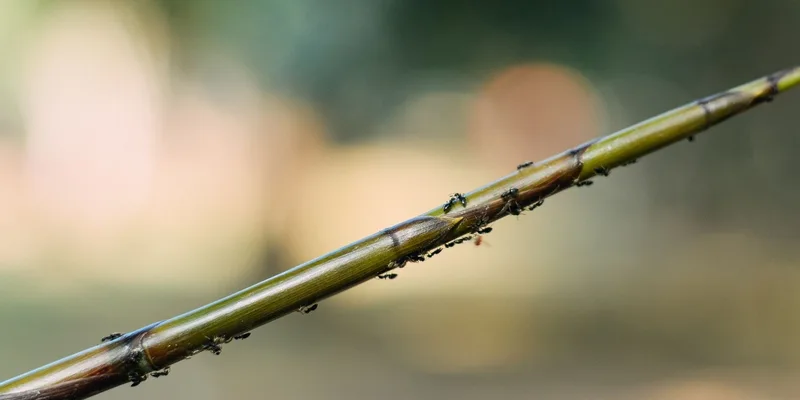
You notice it as a dark seam along the hanging wire first. Then the ports have a crust of bodies around them, then the nectar itself has a scatter of drowned ants floating in it, and the hummingbirds that were coming five times an hour last week have stopped coming at all. Once a trail is established it is astonishingly persistent.
Ants are a plumbing problem more than a pest problem. They find sugar water because sugar water is escaping, and they climb down the only route available. Fix the route and fix the leak and the trail collapses on its own, without anything sticky, oily or chemical going anywhere near the feeder.
This article contains affiliate links. If you buy through them, we may earn a commission at no extra cost to you. Learn more.
Quick Answer
How do you keep ants off a hummingbird feeder?
- Put a water filled moat between the hanger and the feeder. Audubon notes that some feeders come with moats to drown ants that climb down onto them, and that attachable ant guards can be bought separately.
- Keep the moat topped up. It stops working the moment it evaporates dry, which in a heat wave can be the same afternoon.
- Stop the drip. Ants come for spilled nectar, so a feeder that leaks will keep attracting them whatever you hang above it.
- Never use grease, oil or sticky barriers on the hanger. They transfer to feathers, and Audubon advises keeping the yard insecticide free.
Bottom line: a filled moat plus a feeder that does not leak solves this in a day, and nothing needs to be killed to do it.
Why Ants Find the Feeder in the First Place
Ants are not attracted to hummingbirds, they are attracted to sugar. A feeder that has dripped, been overfilled, or been swung in the wind leaves a trace of nectar on the outside, a scout finds it, and within a day there is a chemical trail running from the nest to your hanger.
That is why this problem tends to appear suddenly rather than gradually. Nothing about your yard changed; a single scout got lucky. It is also why the fix has two halves, one that blocks the route and one that removes the reward.
The Ant Moat: The One Fix That Works
A moat is a small cup that hangs between the hook and the feeder and holds plain water. Ants coming down the wire reach the water and cannot cross it. Audubon notes that some hummingbird feeders are equipped with moats to drown ants that climb down onto them, and that attachable ant guards can be bought where a feeder lacks one.
It is a physical barrier rather than a deterrent, which is why it works so reliably and why nothing else on the list comes close. Fill it with plain water and nothing else. There is no reason to add soap, oil or anything sticky, and anything you add can drip onto the feeder below it.

Built In Moats Versus Add On Ones
Some feeders have the moat molded into the top of the reservoir, which looks tidy and means one less thing to lose. An add on moat hangs above whatever feeder you already own and can be moved between feeders, which is more useful if you run more than one. Both work identically once they are full.

Keeping the Moat Full Is the Whole Job
A dry moat is a bridge. In hot dry weather a shallow cup can empty in a day, and the trail reappears within hours of it doing so. Topping it up whenever you walk past the feeder, and always when you change the nectar, is the entire maintenance routine.
Two small things extend it. A deeper moat holds more water and buys you more time, and a shaded position slows evaporation considerably, which is one of several reasons shade helps at a hummingbird feeder generally. Our placement guide goes through the rest.
Stop the Drip, Remove the Reward
Even a perfect moat leaves the outside of a leaking feeder sticky, and Audubon makes the equivalent point about bee guards, that they will not help much if the feeder is covered in sugar water. Leaks come from three places: overfilling, a poor seal at the collar, and heat expanding the air in an inverted bottle.
The design fix is a saucer feeder, where the nectar sits in a shallow basin below the ports rather than being pushed up against them by gravity. There is nothing to force out when the sun hits it, which is the main reason saucer feeders stay cleaner. Our saucer feeder guide covers the trade offs.

Wipe the Outside When You Refill
Audubon suggests mopping up spills with a sponge and hot water at least once a week. That single habit removes the scent trail that keeps ants coming back after you have blocked the route, and it takes about as long as filling the moat does.
What Not to Use
Petroleum jelly, cooking oil, sticky tape and pest barriers on the hanging wire all get recommended and all belong on the do not list. A hummingbird that brushes a greased hanger carries that grease into its feathers, and fouled feathers are a serious problem for a bird whose whole life is flight.
Insecticides are further out still. Audubon’s guidance on feeder pests is to try to maintain an insecticide free yard, noting that pesticides can injure, kill and reduce population numbers of birds, bees and other animals. There is no version of spraying that is worth it here, and the moat makes it unnecessary anyway. We take the greasy barrier question apart properly in our piece on whether petroleum jelly keeps ants off feeders.
The Options Compared
Everything people try, and what it actually does. The moat and guard entries follow Audubon’s description of how those products work; the rest reflects backyard experience.
| Method | How it works | Upkeep | Verdict |
|---|---|---|---|
| Water filled ant moat | Physical barrier on the only route down | Refill every few days | The default fix |
| Built in moat feeder | Same barrier, molded into the feeder | Refill at every nectar change | Tidy, nothing to lose |
| Saucer feeder | Removes the drip that draws ants | Normal cleaning | Pair with a moat |
| Moving the feeder | Breaks the established trail | One off, may need repeating | Helpful, rarely enough alone |
| Grease or sticky barrier | Coats the route | Reapplied constantly | Do not, it fouls feathers |
| Insecticide | Kills insects near the feeder | Ongoing | Do not, Audubon advises against |
If the Trail Still Will Not Break
Occasionally a nest is close enough that the pressure is relentless even with a full moat. Move the feeder several yards, to a different hook or a different tree, and clean the old hanging point thoroughly. Breaking the physical trail while the moat blocks the new route usually finishes it.
What we will not do is tell you how to deal with the nest. Ant control in a yard is a separate matter from feeding birds, and anything that kills insects around a feeder works against the birds you put the feeder up for. If ants in the yard are a genuine structural problem, that is a question for a local professional rather than for a bird feeding guide. A pole mounted feeder with a moat, covered in our ant moat feeder guide and standalone moat guide, is usually the last piece of the puzzle.
Frequently Asked Questions
What actually keeps ants out of a hummingbird feeder? A water filled moat between the hook and the feeder. Audubon notes that some feeders come with moats to drown ants climbing down onto them, and that attachable ant guards are available where a feeder does not have one.
Can I put anything in the moat besides water? No need, and better not to. Plain water is the barrier. Oils and soaps can drip down onto the feeder and onto the birds, and they do not make the barrier any more effective than water already is.
Is petroleum jelly on the hanger safe? No. Greasy substances transfer to feathers, and clean feathers are not optional for a hummingbird. Use a moat instead, which does the same job without touching the bird.
Should I spray around the feeder? No. Audubon advises trying to maintain an insecticide free yard, noting pesticides can injure, kill and reduce population numbers of birds, bees and other animals. A moat makes spraying unnecessary in any case.
Why do ants keep coming back after I clean the feeder? Either the moat has dried out or the feeder is still leaking. Check both. Audubon also suggests mopping up spills with a sponge and hot water at least once a week, which removes the residue that keeps the trail alive.
Do ants in the nectar harm hummingbirds? The bigger issue is that a fouled feeder gets abandoned. Hummingbirds tend to stop visiting a feeder crawling with ants, and the drowned insects speed up spoilage of the nectar itself, so it is a hygiene problem as much as a nuisance.
The Bottom Line
Hang a water filled moat between the hook and the feeder, keep it topped up whenever you pass it, and stop the leak that drew the ants in the first place. Wipe the outside of the feeder at every refill. Nothing greasy on the wire, nothing sprayed in the yard, and no attempt at the nest itself. Read next: our feeders with built in moats, the standalone ant moat guide, and the hummingbird feeder guide.